
What Are the First Signs of a Full Septic Tank?
Slow drains everywhere in the house, not just one sink, is the first tell. If your toilets gurgle after a flush or your shower backs up when the washing machine runs, the tank is likely near capacity. A sour or rotten-egg smell near the tank lid or the drain field is another early flag, since that gas is escaping instead of venting properly. Grass that grows unusually green and thick over the leach field, even in dry months, means the field is getting more moisture than it should. Menifee homeowners on well systems sometimes miss this because they are watching the well, not the yard. If you are between pump-outs and need a stopgap, a holding tank rental covers the gap without letting waste back up into the house. Commercial kitchens have a parallel problem: a grease interceptor is pumped once fats, oils, grease and solids reach 25 percent of the liquid depth, and ignoring that mirrors the same slow-drain pattern on a bigger scale, which is why grease trap pumping runs on its own schedule separate from the house tank.
Why Does My Yard Smell Like Sewage?
That smell means gas or effluent is surfacing where it shouldn't, and it usually points to a saturated leach field or a cracked line. Standing water pooling over the drain field, especially after light rain, is a strong sign the soil can't absorb any more discharge. Soggy patches that never dry out, even during a dry stretch typical of Menifee summers, tell the same story. Sewage odor near a home's foundation can also mean a line under the slab has failed, which is a different repair than a full tank. Either way, don't wait. Book septic pumping service or, if the smell is sudden and strong, treat it as urgent through emergency septic service. A pump-out alone won't fix a cracked field line, so if the smell returns within weeks of service, the problem is likely structural, not volume. For a read on what typical pumping costs look like before you call, septic tank pumping cost breaks down the ranges homeowners in Menifee are actually quoted.
How Often Should I Pump My Septic Tank?
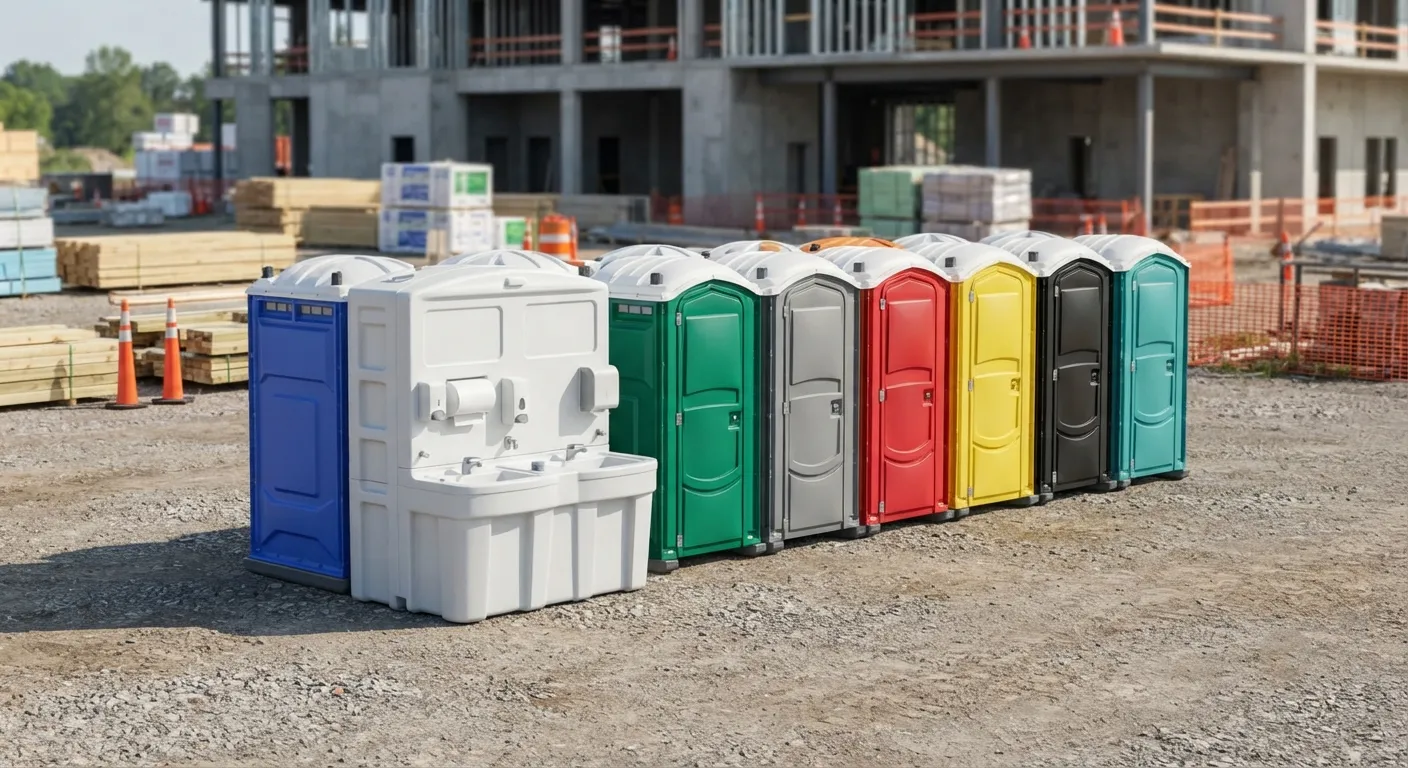
Every 3 to 5 years is the standard window for a typical residential tank, though households with more people or heavy water use land on the shorter end. A family that added a bathroom, a hot tub, or a few extra residents since the last pump-out should move that timeline up, not stretch it. Guests over a holiday, a new baby, or a home renovation project all add load fast. If you're mid-renovation and running extra water fixtures temporarily, a home renovation porta potty takes pressure off the existing system while work is underway. For the full breakdown of what drives that 3 to 5 year window up or down, how often to pump a septic tank walks through tank size, household size, and water habits in more detail. Waiting past the recommended interval is how a routine pump-out turns into a backup, and backups are where the real repair bills start. Menifee's mix of older properties and newer development means pump schedules vary block to block, so don't assume your neighbor's timeline applies to you.

Can a Septic Problem Turn Into an Emergency?
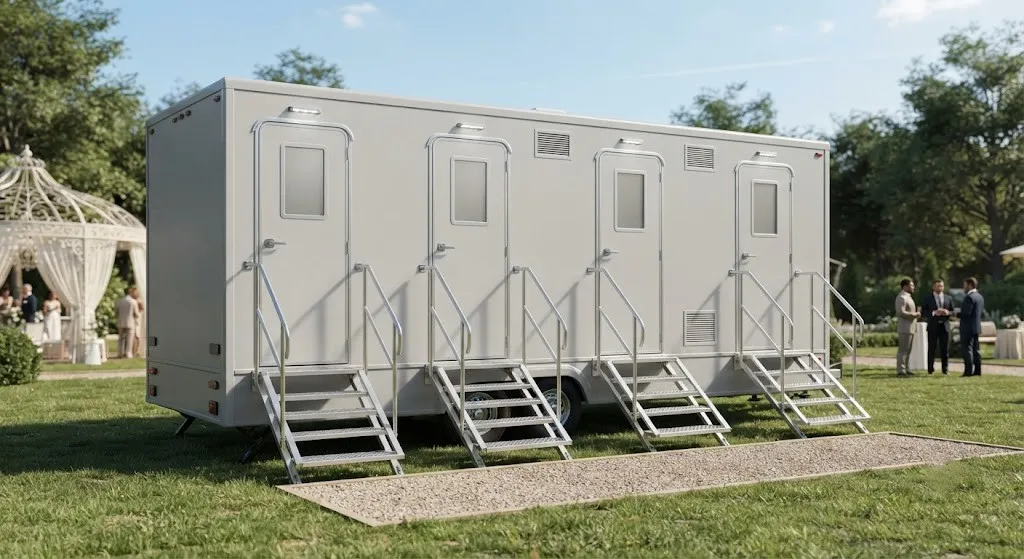
Yes, and it usually happens fast once a tank is full or a line is blocked. A backup into the house, sewage surfacing in the yard, or a complete drain stoppage across every fixture are all signs you need same-day service, not a scheduled appointment. If the system fails during an event, a renovation, or right before guests arrive, emergency septic service gets a truck out before the situation spreads indoors. Some property owners avoid the whole risk during construction or events by renting ahead of time. A portable restroom rental or a full restroom trailer rental keeps guests or crews off the compromised system entirely while it's serviced. For active job sites, OSHA 1926.51(c) sets toilet ratios by crew size, and pairing that standard with construction site services keeps a project compliant even if the septic system on an existing structure is down. Menifee properties near Canyon Lake, roughly 5.9 miles west, and Lake Elsinore, about 11.0 miles west, deal with similar soil and water table conditions, so the same warning signs apply across that stretch.
Homeowners weighing a full system replacement against another few years of pumping should also look at septic tank cleaning as a middle option, since a thorough cleaning addresses buildup a standard pump-out can miss. And if you're setting up a property for a season of heavy use, whether that's a farm operation or a construction run, farm and agricultural restrooms and construction dumpster rental both reduce strain on a septic system that's already stretched thin.
How much does septic tank pumping cost in Menifee?
Pricing depends on tank size and access, and rates vary by provider. Menifee Porta Pros can quote your specific setup directly. See septic tank pumping cost for a fuller breakdown, or request a quote for your address.
What causes a septic tank to fill up faster than expected?
Extra household members, added bathrooms, hot tubs, and heavy laundry use all push more water into the tank. Leaking fixtures count too. If usage jumped recently, plan to pump sooner than the standard 3 to 5 year window.
Can I use my toilets while waiting for a pump-out?
Cautiously, and only if drains still work. Cut back on laundry and long showers. If drains are slow or backing up, stop use and call septic pumping service before it turns into a backup.
Is a bad smell always a full tank?
No. It can also mean a cracked line, a failed vent, or a saturated leach field. If the smell returns soon after a pump-out, the issue is likely structural rather than volume-related.
Do I need a permit to have my septic tank pumped in Menifee?
Routine pumping typically doesn't require a permit, but rules can vary. Confirm specifics with the City before major system work through septic tank cleaning or by checking porta potty permit requirements for related placement questions.
Next step
Get a delivery date
Tell us the address, the dates and the headcount. We size the order and confirm the route.